

Choosing a garage floor coating installer is not just about comparing prices or picking a color you like. The real difference between a coating that lasts for decades and one that fails early usually comes down to the questions you ask before signing a contract.
If you are evaluating installers, think of the estimating process as an interview. A qualified professional should welcome detailed questions and be able to explain their process clearly. Below are six questions every homeowner should ask before committing to a garage floor coating.
Can you install a 1-day polyurea-polyaspartic coating?
A reputable installer will not hesitate to say, “Yes, but we would rather do it right.”
If moisture levels in your concrete exceed 1% (and most do), applying a 1-day polyurea-polyaspartic coating directly to concrete without proper moisture mitigation can lead to blistering, peeling, or delamination. While faster installs use less material and labor, experienced installers test moisture levels first and recommend a 2-day system when conditions require it to protect long-term performance.
What materials do you use in your garage floor coating system?
Your installer should have access to all coating product types: epoxies, polyurethanes and polyurea-polyaspartics. Industrial-grade epoxy is commonly used for primers and build coats because of its strong adhesion and thickness. Polyurea-polyaspartics are often used as color and topcoats due to their UV stability, chemical resistance, and durability. The right combination should be selected based on the unique condition of your concrete and how the space will be used.
How do you prepare the concrete?
Concrete preparation is one of the most important steps in the entire process. Proper preparation requires professional diamond grinding to achieve the correct concrete surface profile. Simply cleaning the slab or using acid etching does not provide the mechanical bond needed for long-term adhesion. An installer who prioritizes surface preparation is far more likely to deliver a garage floor coating that lasts.
Are your garage floor coating products zero- or low-VOC?
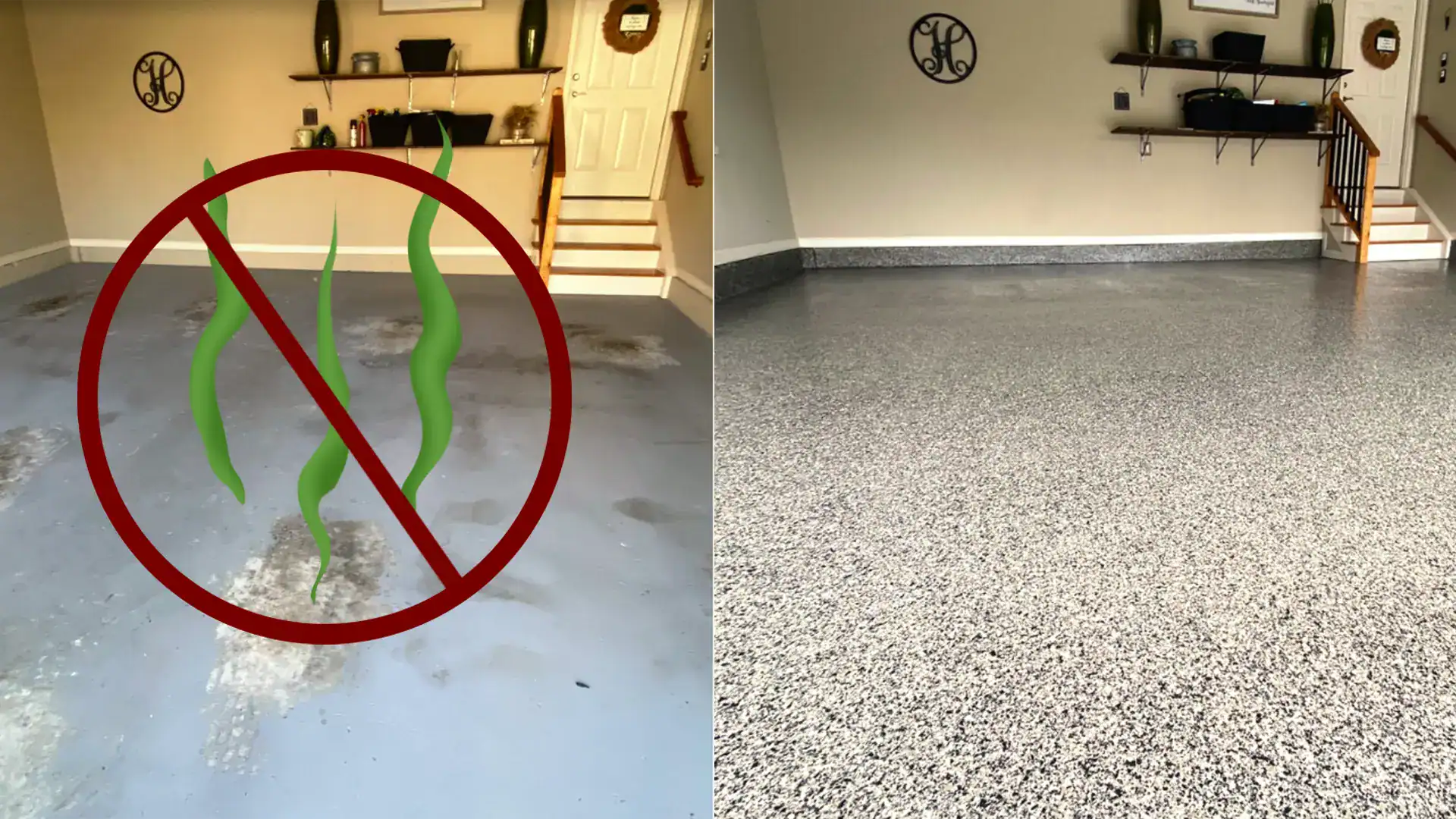
Today’s premium coatings are designed with indoor air quality in mind. Unfortunately, some contractors still use older products with high levels of volatile organic compounds (VOCs). A professional installer should be able to provide technical data sheets that clearly outline VOC ratings and product safety information for every product being used in your home. A VOC less than 50 grams per liter is acceptable. However, anything higher is not “low-VOC.”
Can your coatings be applied in extreme hot or cold temperatures?
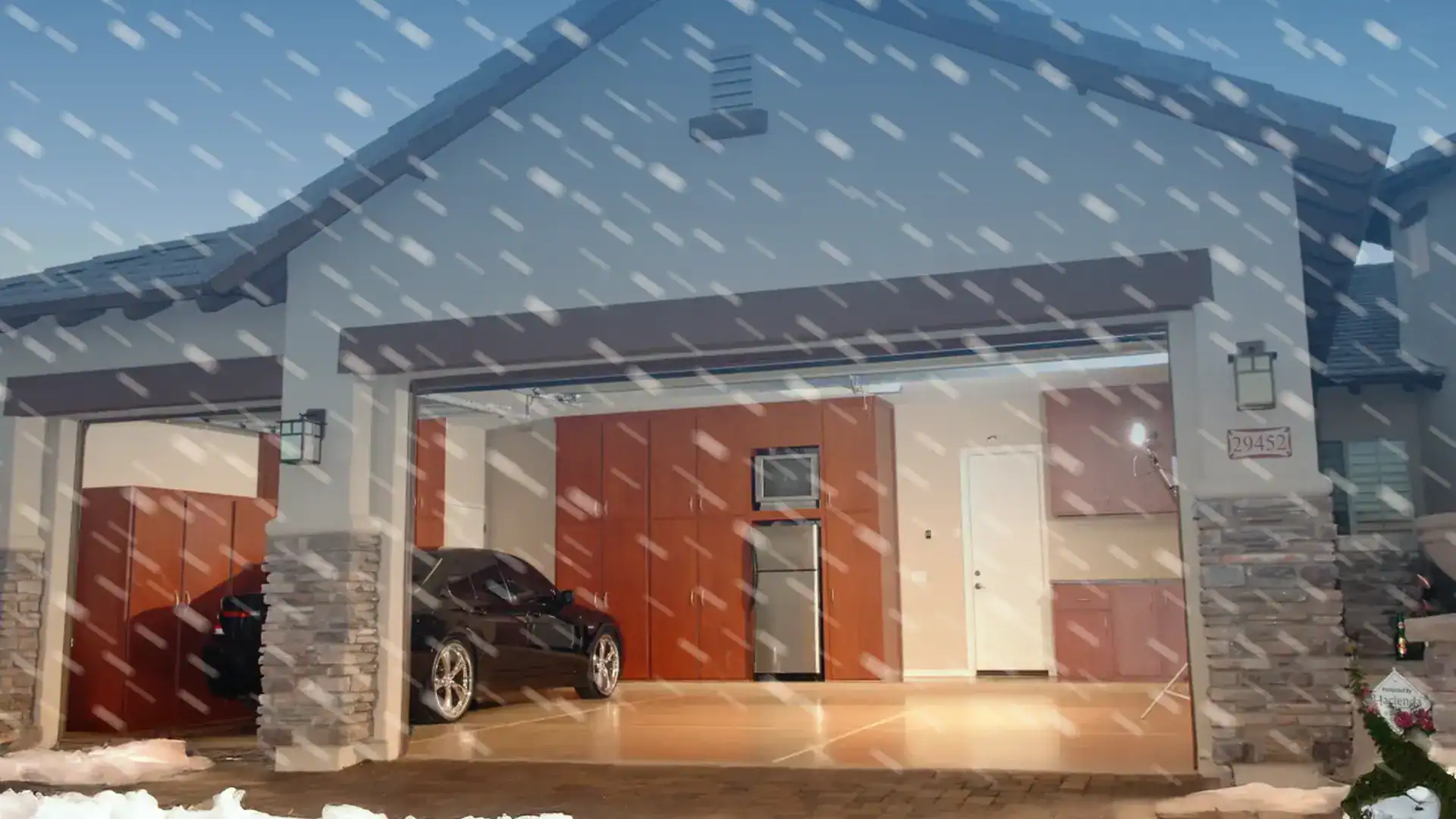
Environmental conditions can affect how coatings cure and bond. Experienced installers select coating products designed to perform under varying seasonal conditions and should be able to work year-round.
What does your warranty cover?
Warranties can vary widely, and vague language is a red flag. A strong warranty should clearly explain what is covered, what is excluded, and how workmanship and materials are protected over time. Asking this question upfront helps set clear expectations and avoids surprises later.
A garage floor coating is an investment in your home, not just a cosmetic upgrade. By asking these six questions and listening carefully to the answers, you can confidently choose an installer who values quality, transparency, and long-term performance.
Ready to take the next step? Schedule a professional consultation and get expert guidance on the right garage floor coating system for your space.
About the Author

Share this Post